

Challenges and Opportunities
Our Public Facilities are Showing Their Age
As Plymouth grows and evolves, many of its most popular and well-used recreational amenities – like the Plymouth Ice Center and seasonally inflated Fieldhouse dome at the Plymouth Community Center – need major repairs or must be replaced. At the same time, more residents than ever are taking part in sports and recreation, limiting available ice time, field space and gyms across the city.
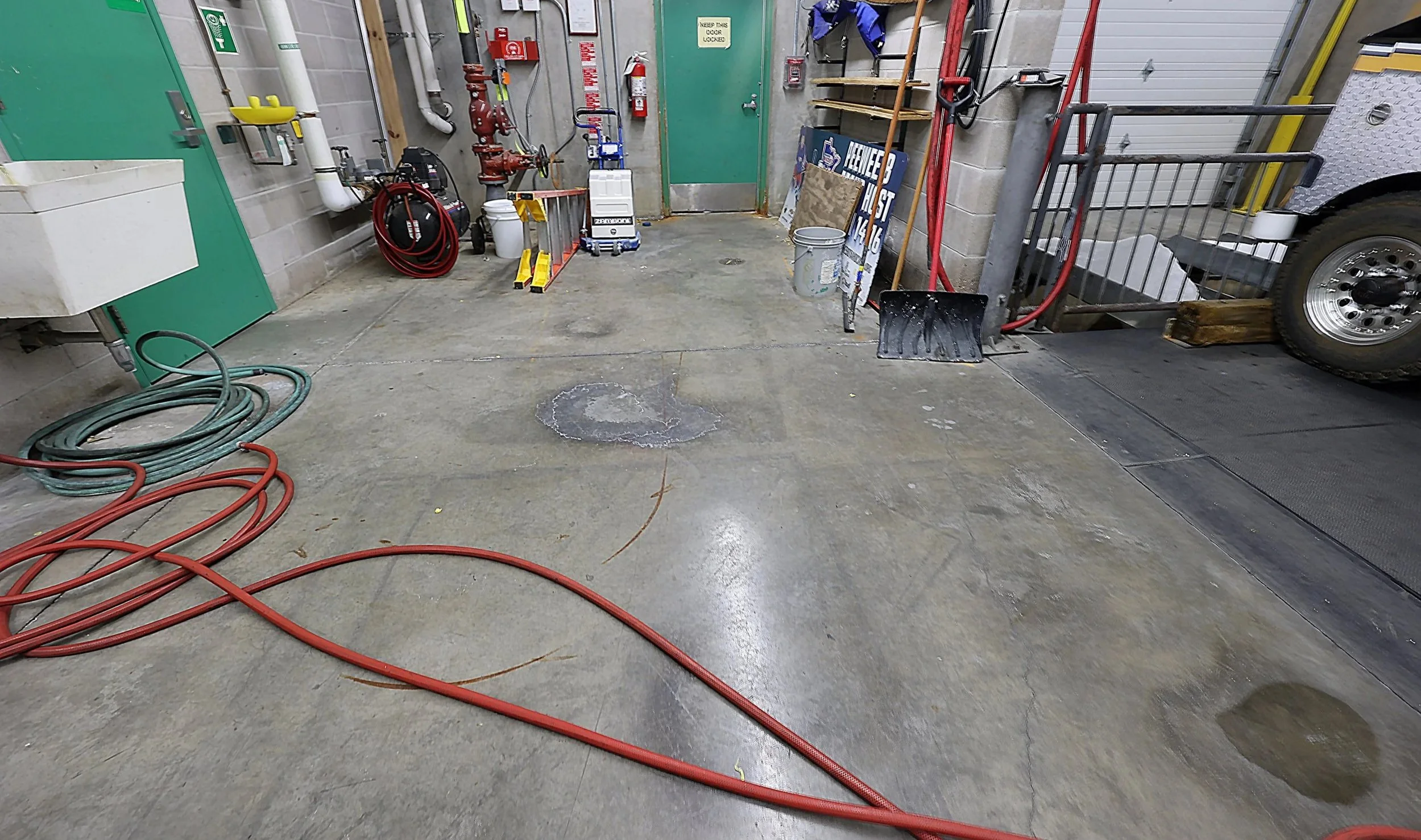
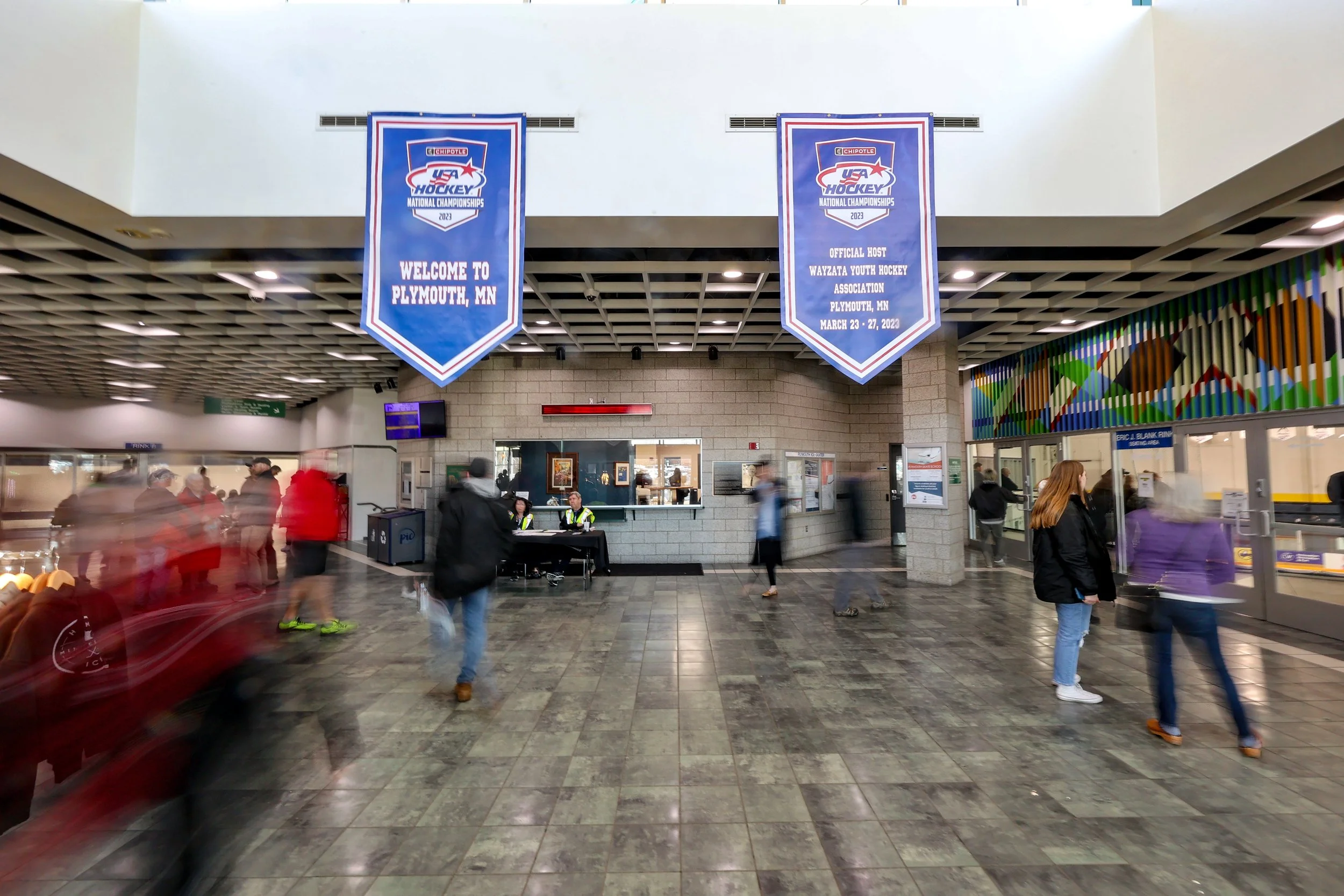
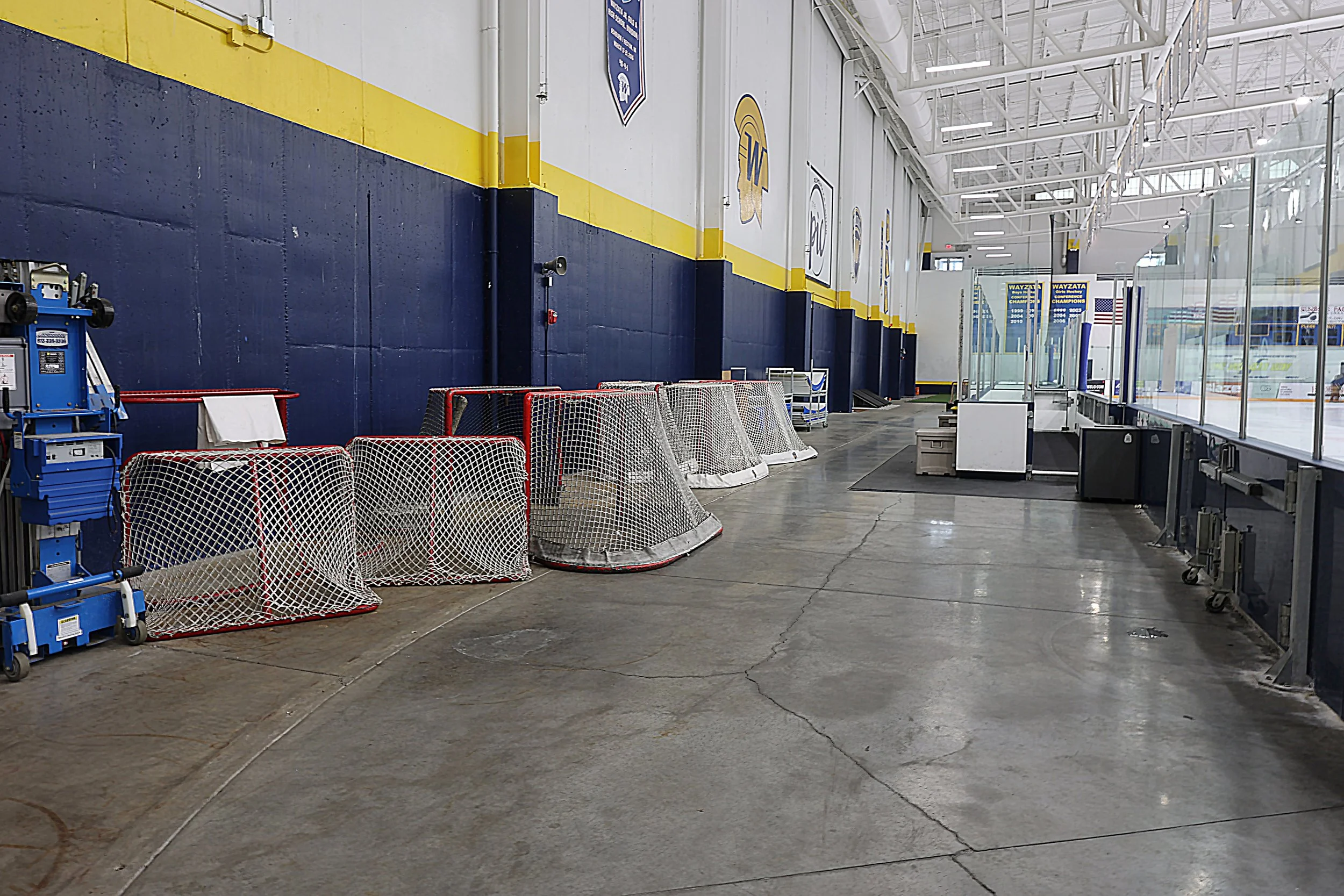
Challenges at the Plymouth Ice Center
The Plymouth Ice Center is one of Minnesota’s busiest ice facilities, serving nearly 600,000 users each year. Built in 1997, the facility was not designed for this level of continuous, year‑round use and is showing its age.
Key systems are nearing the end of their useful life
A leaking roof disrupts temperature control, reduces energy efficiency and accelerates wear on an already aging facility.
Outdated HVAC and refrigeration systems compromise air quality and operate inefficiently, driving up energy costs.
Failing humidity controls affect ice quality and create uncomfortable conditions for players and spectators.
Facility upgrades are needed to address ADA accessibility, fire safety and lighting.
Overwhelming demand
One of the busiest municipal ice centers in the state, the facility operates at or beyond capacity and is programmed from 6:00 a.m. to 11:00 p.m., 360 days per year. The Plymouth Ice Center also hosts major national tournaments, drawing visitors from across the country and benefiting area restaurants, hotels and retailers with an estimated economic impact of $1.2 million per tournament.
The Ice Center is home to the Wayzata Youth Hockey Association (WYHA) — one of the largest youth hockey programs in the nation — along with several area boys’ and girls’ high school teams.
Demand exceeds available ice time, forcing WYHA to rent more than 700 hours at other facilities to serve its growing number of players (more than 1,230), sending about $200,000 of revenue outside of Plymouth instead of keeping it in the community.


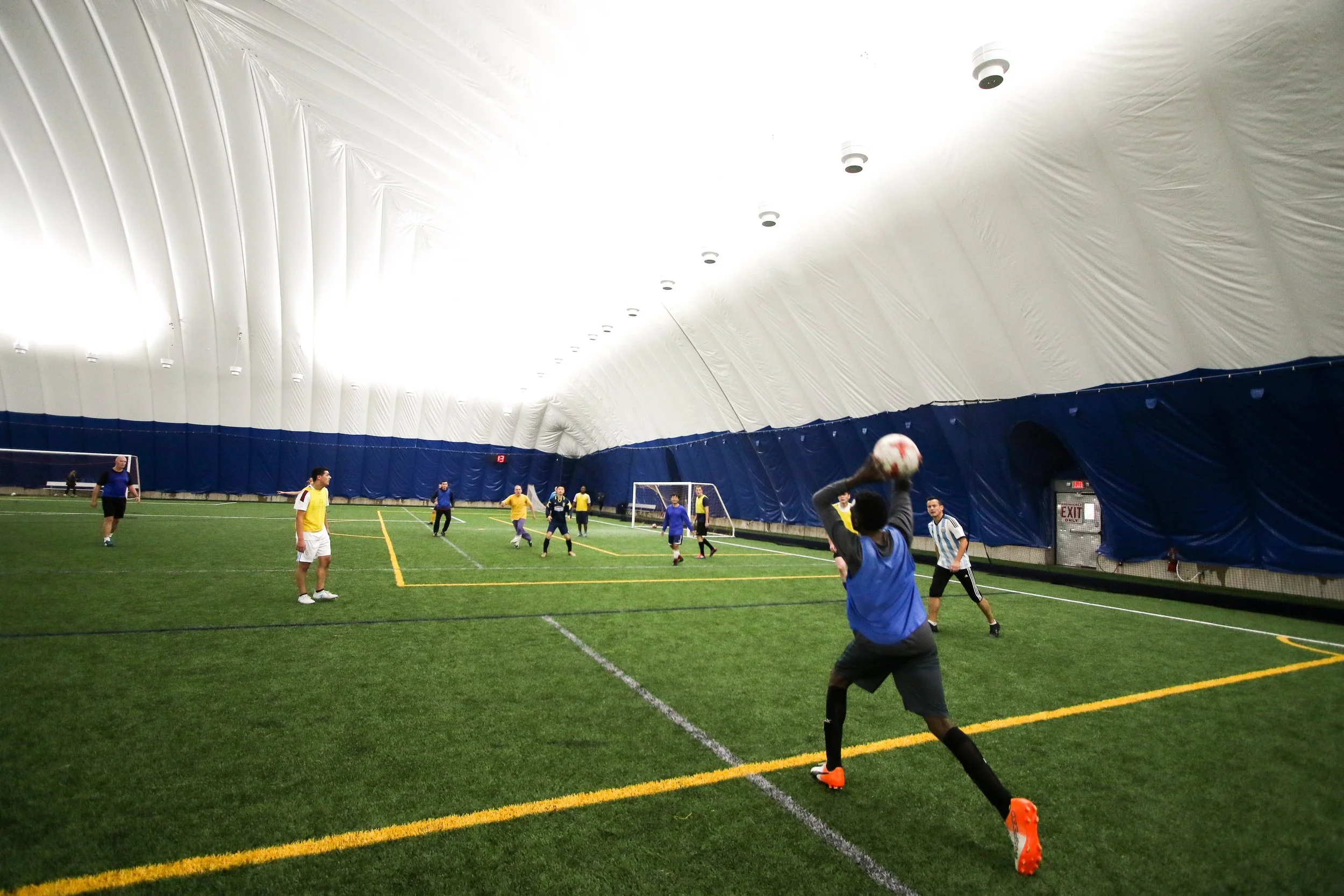
Challenges at the Fieldhouse
The Fieldhouse dome and turf face ongoing maintenance challenges and no longer meet Plymouth’s recreational needs.
Limited space and availability
Seasonal availability limits access, making it difficult for community programs to secure indoor space during peak months as participation grows.
The dome’s size and layout fall short, preventing regulation soccer games and large team activities and pushing local clubs to other metro cities. Because the walking track is not separated from the athletic field, walkers and field users often cross paths and get in each other’s way, creating congestion and discomfort.
Operational problems
Aging turf is wearing down, raising safety concerns and affecting drainage.
The dome’s vulnerability to storms requires frequent monitoring, emergency repairs and snow removal to prevent collapse.
Temperature control challenges make it difficult to keep the space comfortable.
Seasonal setup, takedown and maintenance costs the city more than $60,000 each year.
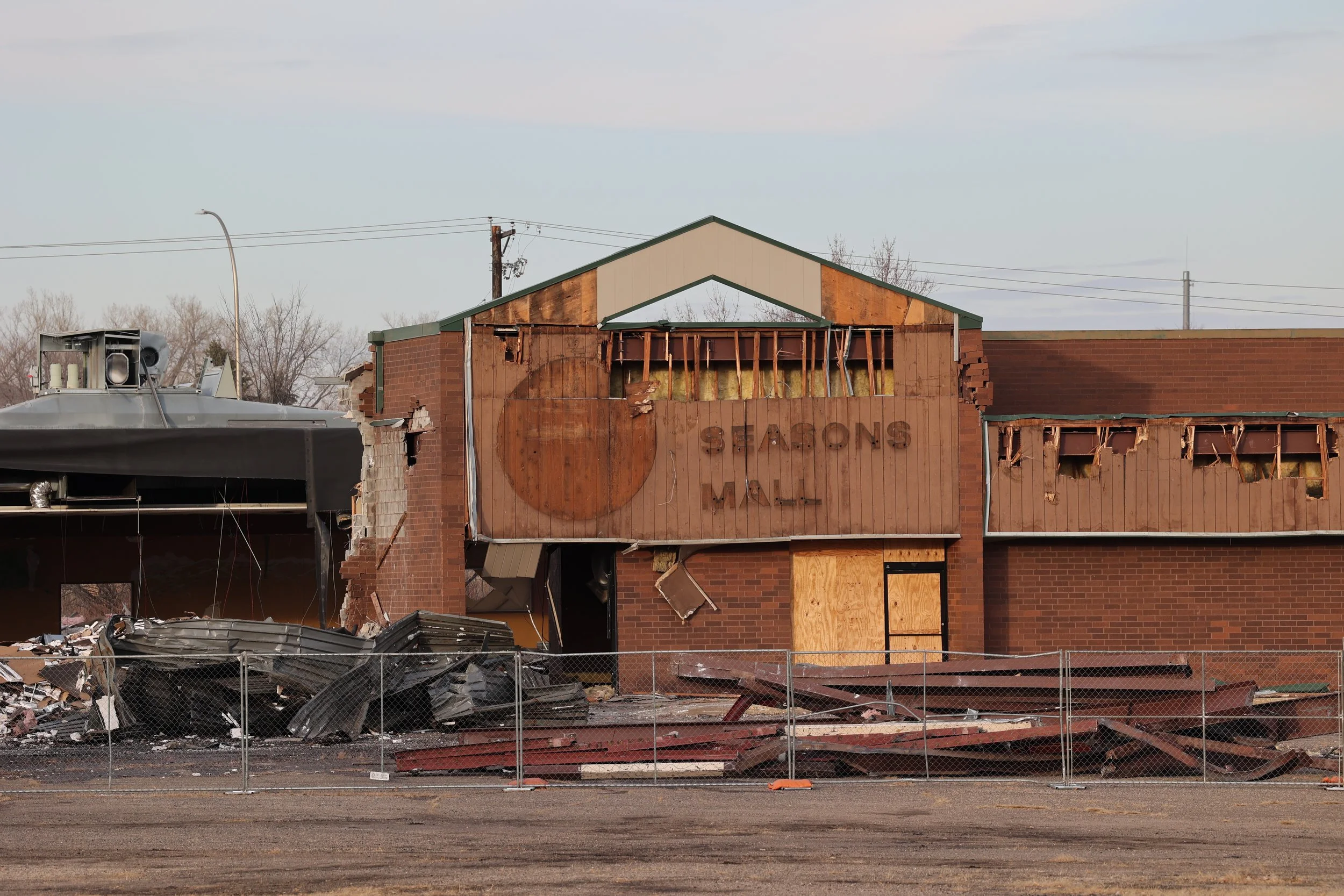
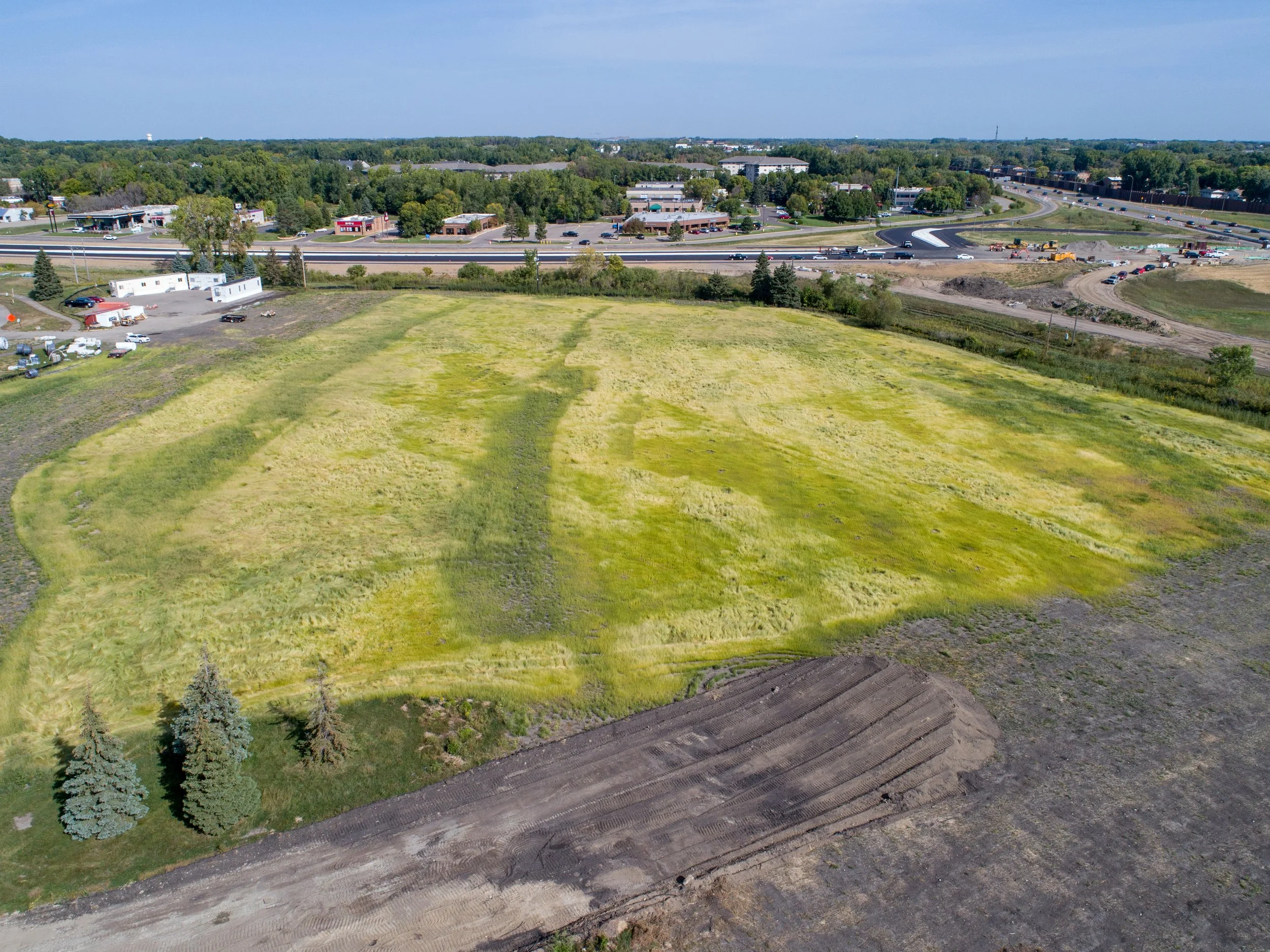
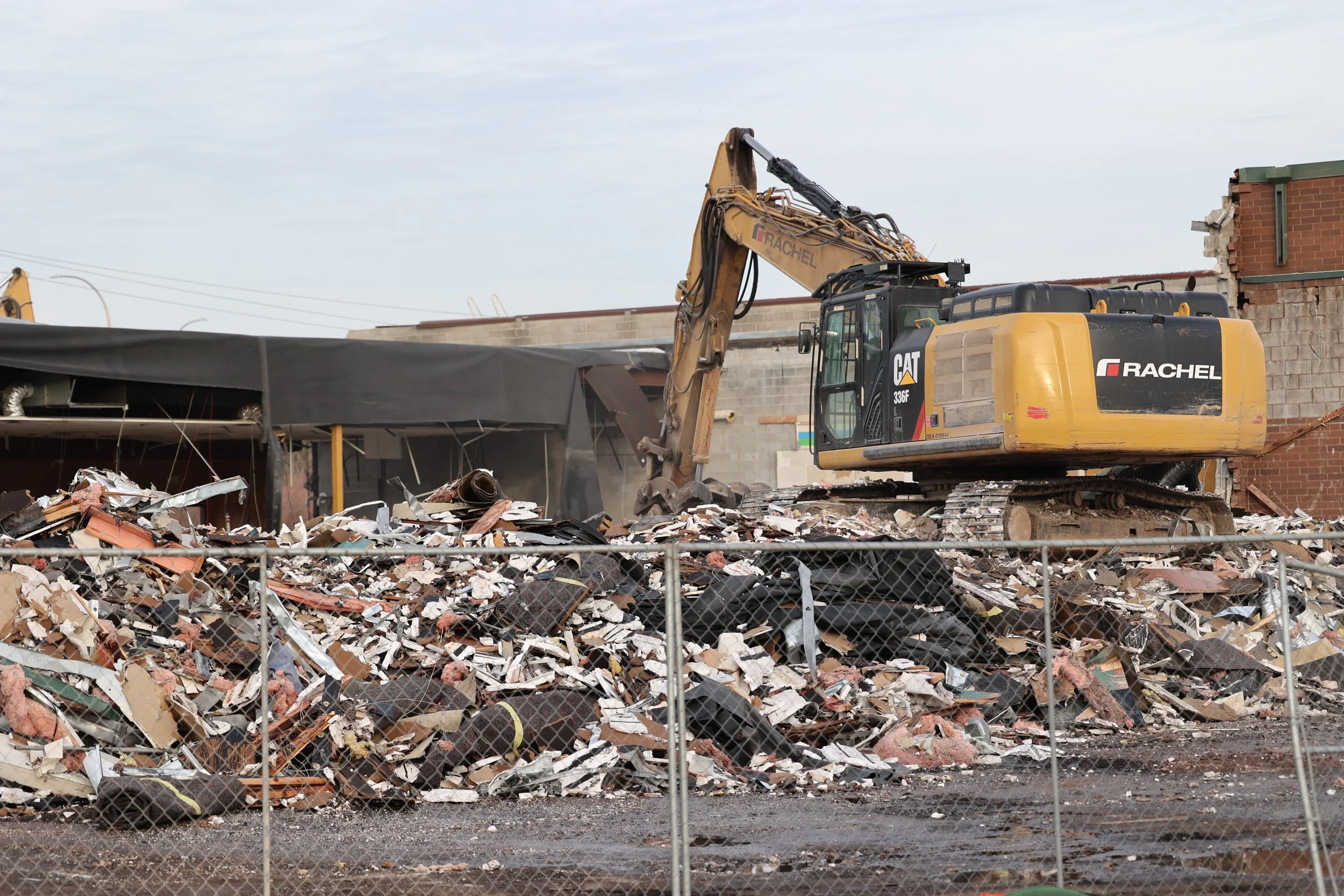
In 2022, the city demolished the deteriorating, long-vacant mall building to make way for new development.
Challenges at the former Four Seasons Mall site
The former Four Seasons Mall building was constructed on pilings due to poor soil conditions, a shallow water table and nearby wetlands. After the building sat vacant for more than a decade – despite multiple attempts by private companies to redevelop the site – the City of Plymouth purchased the land and razed the blighted building. Now owned by the city, the site presents an opportunity to create a new recreational asset for the community.

Field Space Shortage
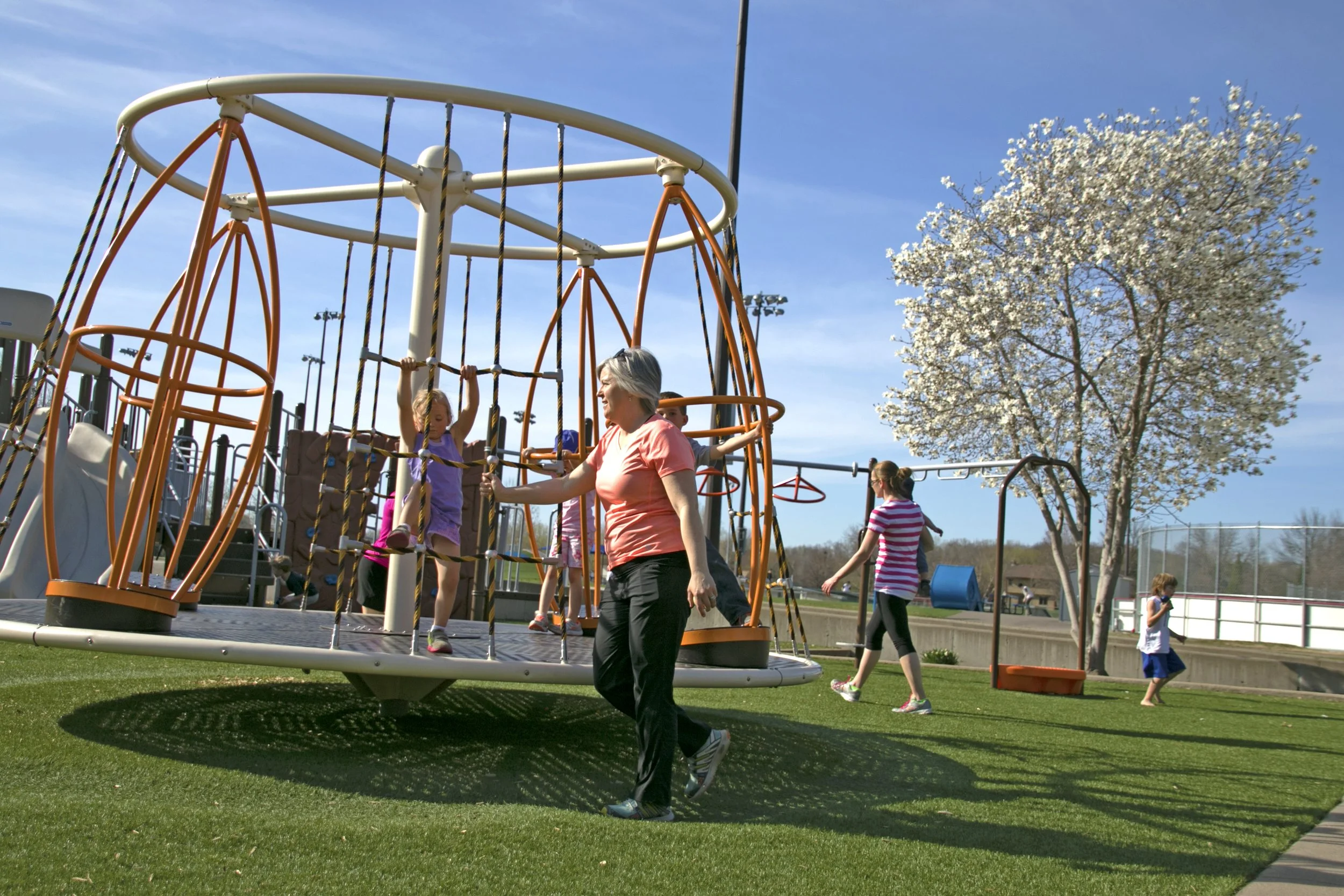
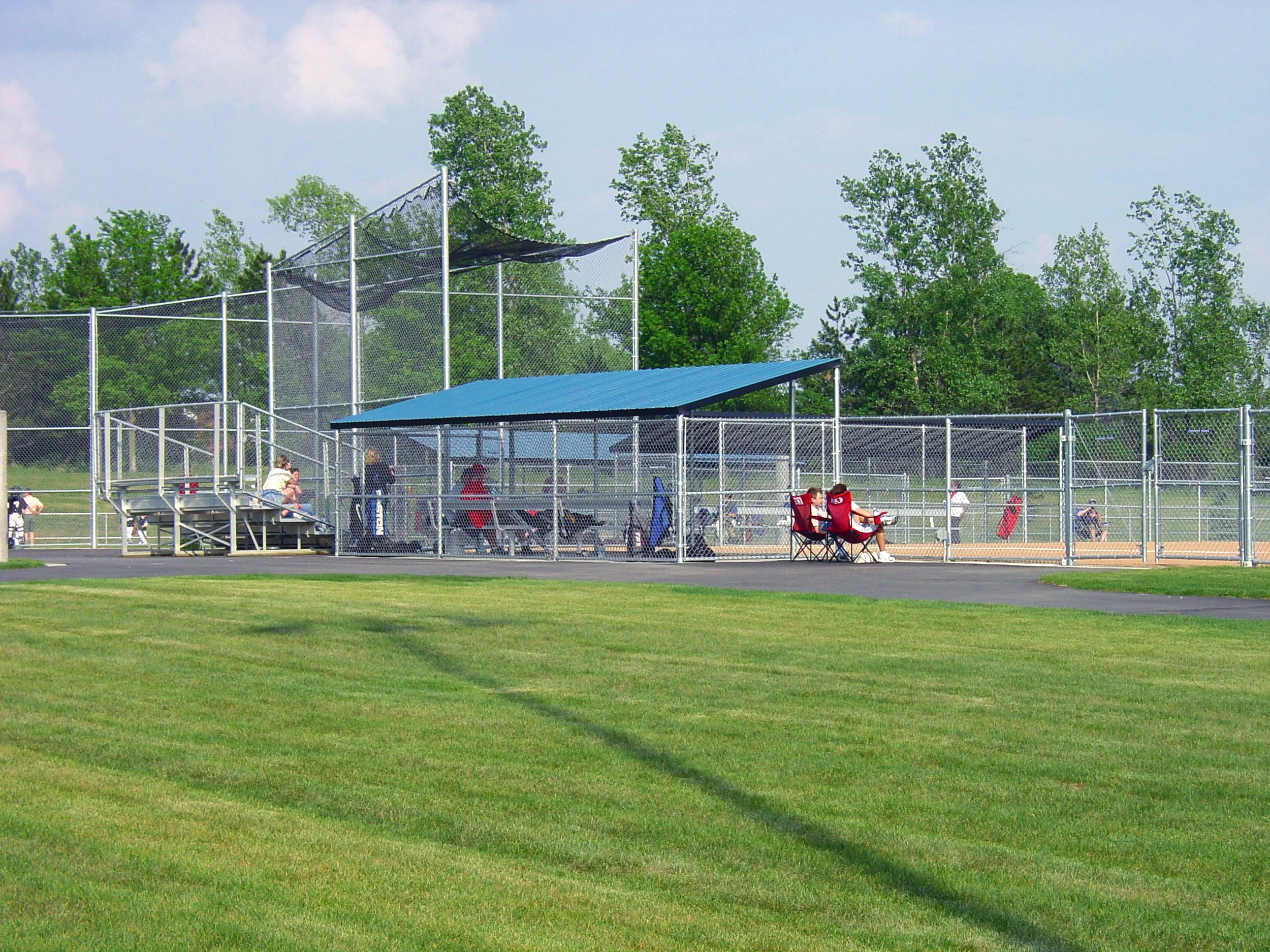
When lease agreements with the Wayzata School District ended in 2020, Plymouth lost access to 18 playfields — about one-third of the city’s total field capacity.
That loss directly affects 170 local teams, limiting the city’s ability to meet growing demand for youth sports, community programs, and outdoor recreation.