The Cost
Paying for this Community Investment
The City of Plymouth is dedicated to pursuing long-term, fiscally responsible investments that enhance quality of life and expand recreational opportunities for residents
Based on community feedback, the $135 million plan focuses on three major projects:
-
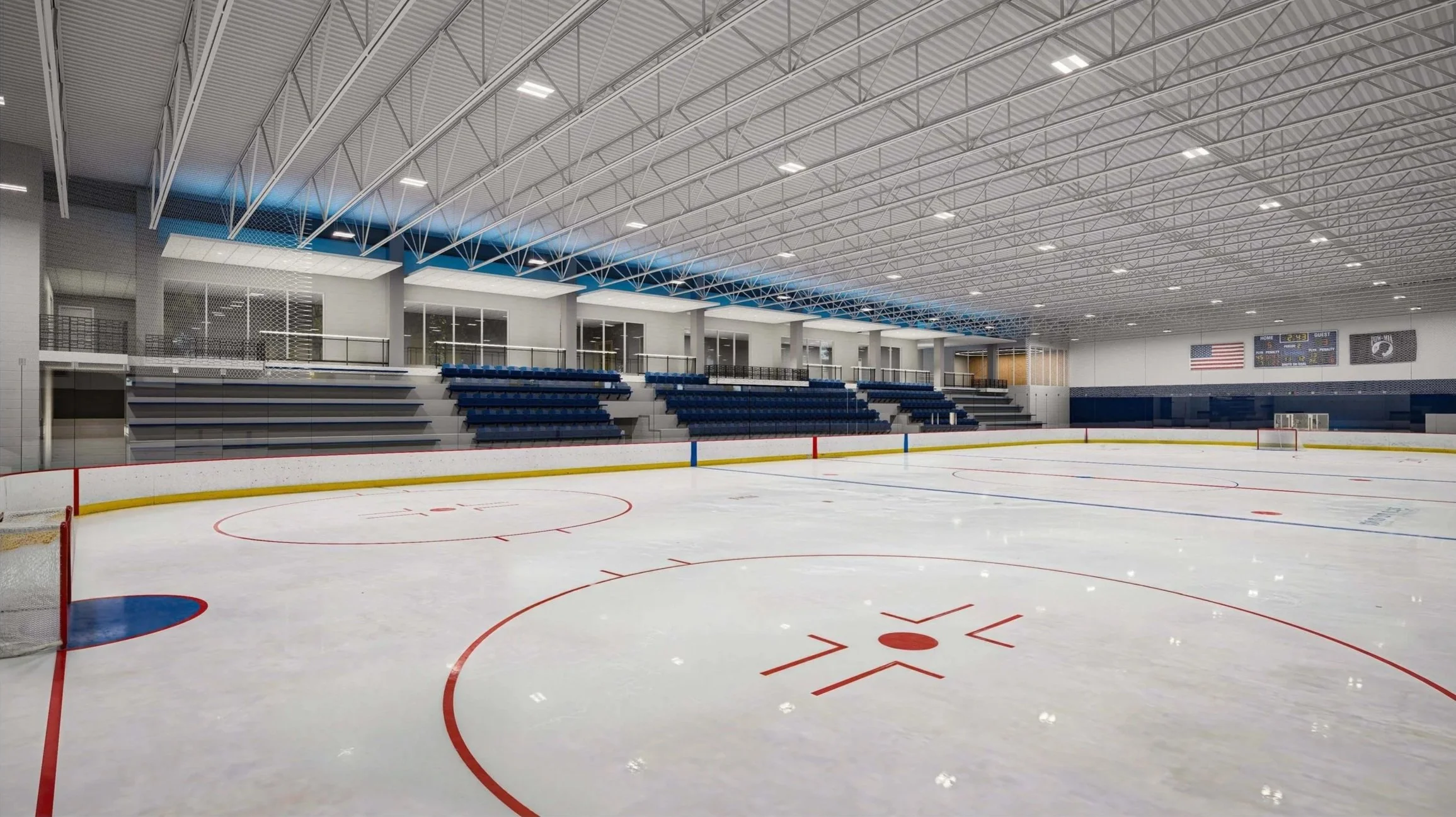
Expanding and renovating the Plymouth Ice Center
($55 million)
-
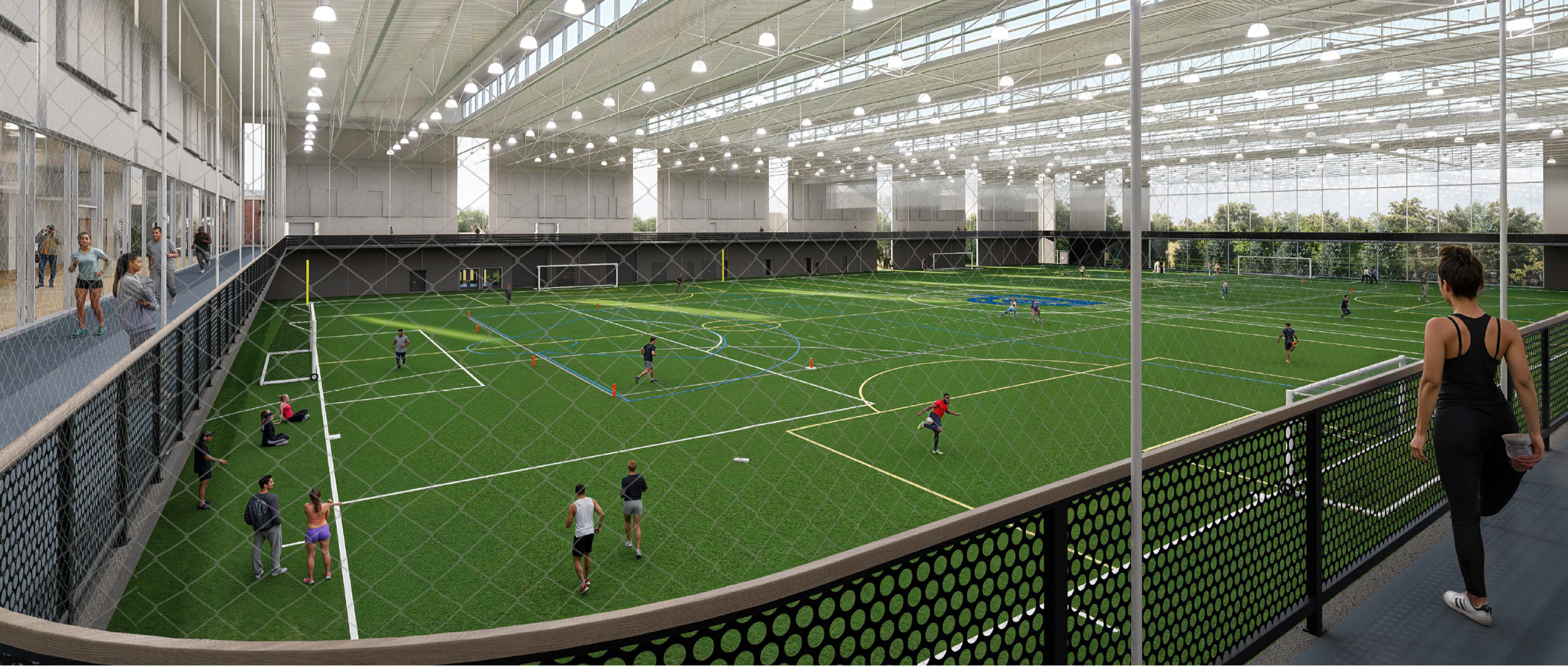
Building a new year‑round Fieldhouse to replace the seasonal dome at the Plymouth Community Center
($55 million)
-
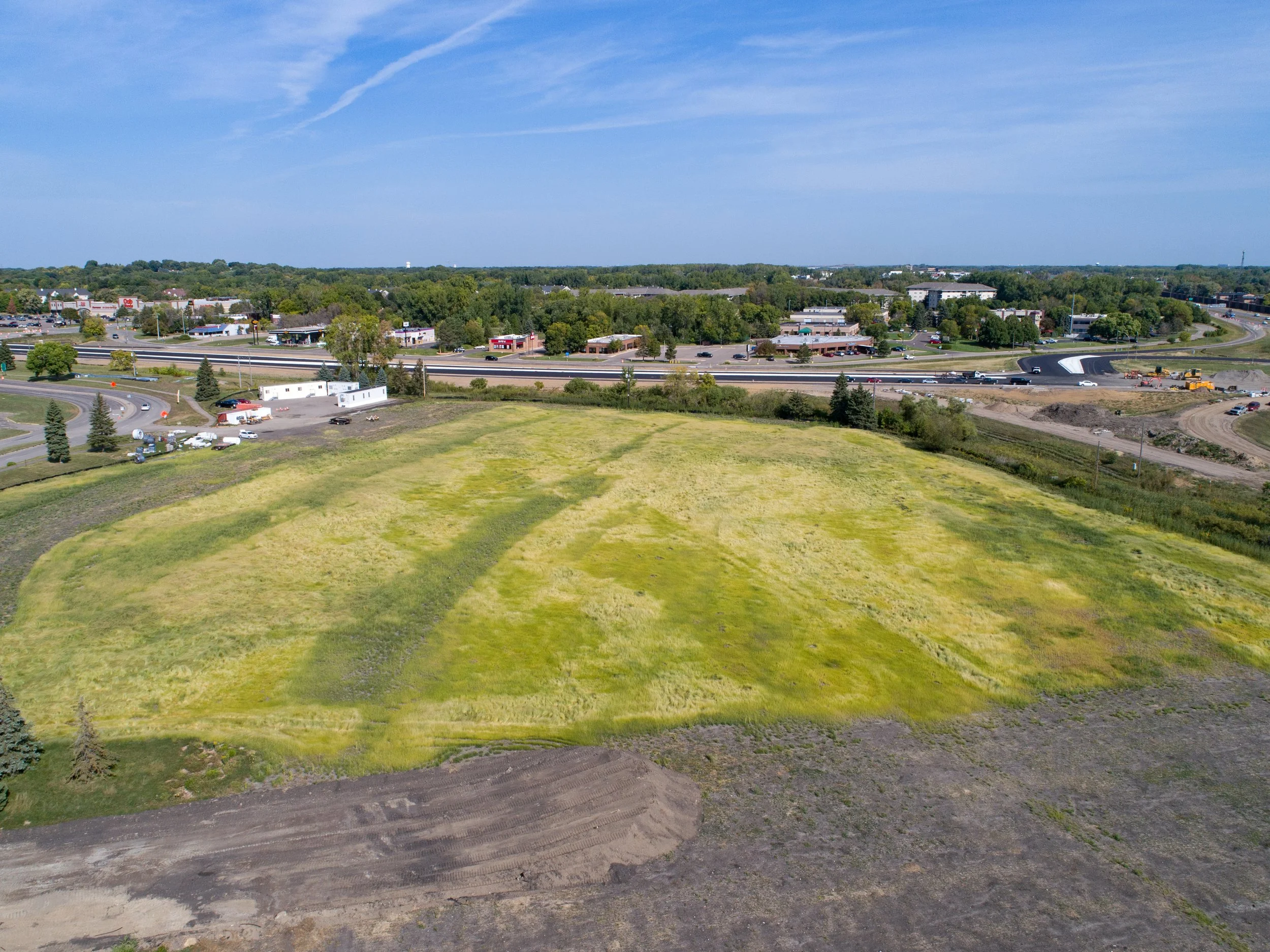
Developing a new regional sports complex at the former Four Seasons Mall site
($25 million)
A mix of local and state funding
As Minnesota’s fourth largest economy, Plymouth is an economic engine for the state. City leaders are seeking funding opportunities that will help bring Plymouth tax dollars back into the community and reduce the cost of these projects for residents.
The city is seeking state bonding funds and the approval of a half-cent local sales tax during the 2026 legislative session.
If authorized by the Legislature, the city would present the proposed half-cent local sales tax to Plymouth voters in November 2026.
Why a local sales tax?
A local sales tax would spread the cost of the projects among residents and visitors who come to Plymouth for tournaments, shopping, dining and other activities:
According to University of Minnesota research, nonresidents would pay approximately 55% of the local sales tax.
In contrast, a property tax increase would place the full cost on Plymouth property owners.
If approved, the half-cent local sales tax would cost the average resident about $3.44 per month, or $41.23 per year. By comparison, if the city raised property taxes to fund this investment, the owner of a median-value home of $500,000 would pay about $21.75 per month, or $261.02 per year.
Local sales taxes also include a range of exemptions for essential goods, including groceries, clothing, prescription drugs and baby products. These exemptions help limit the impact of a sales tax on families and people living on fixed incomes.
Nonresidents would pay approximately
55% of the local sales tax
This means approximately $74.3 million of the $135 million needed for design and construction would be paid by visitors who purchase goods and services in the city.
How a sales tax works:
A local sales tax is applied to purchases in the same way as the state sales tax.
A half-cent local sales tax adds about 1 cent on a $2 purchase, 5 cents on a $10 purchase, or 25 cents on a $50 purchase.
The sales tax would not be permanent. The tax would expire after 20 years or when enough funds have been collected to cover the approved projects’ costs, whichever comes first.
Many cities in the Twin Cities metro and across Minnesota use a local sales tax to fund community projects, including nearby cities like Maple Grove, Edina, Bloomington and Golden Valley.